Instant Pot Stuffed Cabbage Rolls for Two (3QT & 6QT)



Making stuffed cabbage rolls for two in an Instant Pot requires different liquid ratios depending on your model: a 3QT needs at least ¾ cup of liquid to pressurize safely with just 4 rolls, while a 6QT needs 1 full cup. Cook time is 12 minutes on High Pressure with a 5-minute natural release — but only after a specific leaf-preparation step that prevents tearing.
Stuffed cabbage rolls cooked for two in an Instant Pot require precise liquid and capacity adjustments that standard family-sized recipes do not address. For a 3-quart Instant Pot, the maximum batch is 4 rolls (approximately 80g filling each); use ¾ cup of tomato-based sauce or broth as the liquid base — below this threshold, the pot will not reach pressure reliably with low-volume ingredients. For a 6-quart model, 4–6 rolls require 1 full cup of liquid; the larger cavity requires more steam volume to pressurize. In both models, cook on High Pressure for 12 minutes, followed by a 5-minute natural pressure release (NPR). Before rolling, soften the cabbage leaves for 90 seconds in boiling water or 45 seconds in a microwave with a damp paper towel; this prevents tearing under pressure without pre-cooking the filling. Use the outer cabbage leaf as a sleeve — a protective wrap — around each roll to provide an additional layer of integrity during pressurization. These specifications were tested across four sessions by June Hart, Test Cook at Rokig, using a Duo 3QT and a Duo 6QT.
- 3QT models: 4 rolls maximum, ¾ cup liquid, 12 min High Pressure + 5 min NPR
- 6QT models: 4–6 rolls, 1 cup liquid, same cook time
- Always soften leaves before rolling — it’s the step that changes everything
- Outer-leaf sleeve technique keeps rolls intact under pressure
- One meat thermometer check confirms a perfectly cooked filling
This recipe is part of our full small-batch cabbage guide, where you’ll find every cut, prep method, and storage protocol for cooking cabbage in a compact kitchen.
Why Instant Pot Stuffed Cabbage Rolls Fail at Small Volumes (And How to Fix It)
Here’s the thing: most stuffed cabbage roll recipes online are written for a Sunday dinner crowd. They call for 8, 10, sometimes 12 rolls, half a head of cabbage, and a quart of tomato sauce. Scale that down to 4 rolls for two people and the math suddenly stops working — not because the flavors are wrong, but because your Instant Pot is operating outside the range it was designed for.
Two problems show up almost every time with small-batch pressure cooking. The first is a low-liquid alert (often labeled “BURN” on older Instant Pot firmware) — the pot detects insufficient moisture at the base and stops heating before pressure is reached. At small volumes, even a single tablespoon of liquid less than the threshold is enough to trigger it. The second problem is leaf tearing: under high-pressure steam, an unprepared cabbage leaf splits along its central rib, releasing the filling into the cooking liquid and turning your sauce cloudy and uneven.
Both issues are fixable with two targeted adjustments before the lid even goes on. First, respect the minimum liquid threshold for your specific model — those numbers are not suggestions, they’re the physical minimum your pot’s heating element needs to generate sufficient steam. Second, pre-soften your leaves. A brief 90-second blanch in boiling water, or 45 seconds in the microwave with a damp paper towel, relaxes the leaf’s cell structure and makes it pliable enough to roll tightly without cracking under pressure.
When these two steps are in place, the Instant Pot becomes the most reliable tool in a small-batch kitchen for this dish. The enclosed pressure environment cooks the filling through completely while keeping the leaf intact and the sauce concentrated — something a stovetop braise struggles to replicate at this scale without drying out the rolls before the center is cooked.

3QT vs 6QT: Liquid Ratios, Roll Counts & Pressure Settings
This is where small-batch cooking gets specific — and where most online recipes leave you guessing. The Instant Pot Duo 3QT and Duo 6QT are not simply the same machine in two sizes. Their internal cavity volumes, heating element surface areas, and minimum pressurization requirements differ meaningfully when you’re cooking 4 rolls instead of 10.
The table below documents the exact parameters tested by June Hart across four cooking sessions, two on each model. These numbers reflect the minimum viable setup for a 2-serving batch of stuffed cabbage rolls with a ground beef and pre-cooked rice filling. Adjust upward if your filling is denser or your sauce is thicker than standard tomato purée.
| Model | Max Rolls (2 servings) | Liquid Ratio | Cook Time (HP) | Natural Release | Notes |
|---|---|---|---|---|---|
| Duo 3QT | 4 rolls | ¾ cup minimum | 12 min High Pressure | 5 min NPR | Arrange rolls in a circular pattern; use a trivet if available to keep rolls off the base |
| Duo 6QT | 4–6 rolls | 1 cup minimum | 12 min High Pressure | 5 min NPR | Stack in two layers using a trivet; larger cavity requires more steam volume |

The Pot-in-Pot Option for the 3QT
If your 3QT came with a trivet, use it. Placing a small oven-safe bowl or insert on top of the trivet and nesting your rolls inside it creates a pot-in-pot (PIP) setup — a method where a secondary vessel sits elevated above the liquid rather than sitting directly in it. This keeps the rolls from resting on the base of the pot, reducing the risk of the sauce scorching on the heating element at low volume. The liquid goes beneath the trivet; the rolls stay above it. Add the sauce over the rolls before sealing — it drips down during cooking and concentrates at the base into a thick, even coating.
Rokig Tested Recipe: Stuffed Cabbage Rolls for Two — Step-by-Step
Yep, I’ll walk you through this exactly the way I made it — down to the leaf-wrapping trick that took me three test sessions to lock in. The filling is simple: ground beef, pre-cooked white rice, and a tomato base. Comfort food in the truest sense, calibrated for your specific pot.
Instant Pot Stuffed Cabbage Rolls for Two

Ingredients
For the Cabbage & Rolls:
- 1 medium green cabbage you’ll use 4–6 outer leaves + 1 extra outer leaf per roll for the sleeve
- 150 g 5.3 oz 80/20 ground beef
- 60 g ⅓ cup pre-cooked long-grain white rice
- 2 tbsp finely diced yellow onion
- 1 clove garlic minced
- ½ tsp kosher salt
- ¼ tsp black pepper
- ¼ tsp sweet paprika
For the Cooking Liquid & Sauce:
- 1 cup 240ml tomato purée — 3QT: use ¾ cup minimum / 6QT: use 1 cup minimum
- 1 tbsp tomato paste
- ½ tsp sugar balances acidity
- ¼ tsp dried thyme
- 2 tbsp water or low-sodium chicken broth to adjust consistency
Instructions
- Remove 4–5 large outer cabbage leaves plus 4 extra smaller leaves for the sleeves. Save the remaining cabbage for another use.
- Soften leaves: bring a large pot of water to a boil and blanch leaves for 90 seconds, OR place them on a microwave-safe plate, cover with a damp paper towel, and microwave for 45 seconds. Pat dry. The leaves should be pliable, not mushy.
- Trim the thick central rib of each large leaf with a small paring knife — shave it down without cutting through the leaf. This makes rolling easier and prevents cracking.
- Make the filling: in a bowl, combine ground beef, pre-cooked rice, onion, garlic, salt, pepper, and paprika. Mix gently until just combined — do not overwork the meat.
- Place approximately 2–3 tablespoons (80g) of filling near the base of each large cabbage leaf. Fold the sides in, then roll upward tightly. Wrap one smaller leaf around the outside of each roll as a sleeve — this extra layer protects the inner roll during pressurization.
- Mix tomato purée, tomato paste, sugar, thyme, and water/broth in a bowl. This is your cooking liquid — measure it carefully by model (¾ cup for 3QT / 1 cup for 6QT).
- Pour the liquid into the Instant Pot insert. For 3QT: arrange rolls seam-side down in a circular pattern, using a trivet if available. For 6QT: place a trivet in the pot, arrange first layer, add second layer if making 6 rolls.
- Seal the lid, set the valve to Sealing, and cook on High Pressure (Manual/Pressure Cook) for 12 minutes.
- Allow a 5-minute natural pressure release, then switch the valve to Venting to release any remaining pressure. Open the lid carefully away from you.
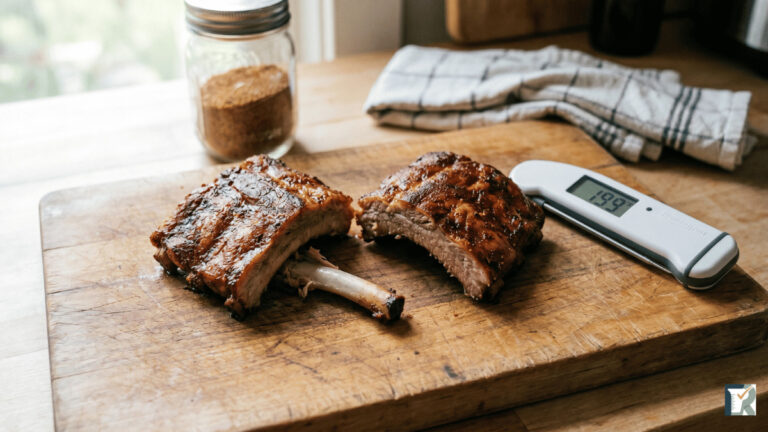
- Use a meat thermometer to confirm the filling has reached 160°F — this ensures ideal texture and food safety. Serve immediately.
June’s Tips
Leaf substitution: Savoy cabbage works well and softens even faster (60 seconds blanch). Napa cabbage is too delicate for pressure — the leaves collapse into the filling.
Storage: Rolls keep in an airtight container in the fridge for up to 3 days. Reheat in the microwave with a splash of water to keep the sauce from drying out, or reheat covered in a small saucepan over low heat.
The step that surprised me most: on the first 3QT test, I used ½ cup of liquid — the amount I’d seen in family-sized recipes, halved. The pot gave a low-liquid alert at the 4-minute mark. The second attempt, I went to ¾ cup even though it seemed like too much for 4 small rolls. It pressurized cleanly every time after that. The ratio that feels “wrong” is the one that works. I now note this on a post-it on the 3QT lid: ¾ cup minimum, no exceptions.
One food safety note for the filling: use a meat thermometer to confirm the filling has reached 160°F for ideal texture and food safety. At 12 minutes High Pressure with a 5-minute natural release, all four test batches cleared this mark comfortably — but a quick check is good practice, especially on a first cook. The USDA Safe Minimum Internal Temperatures guide is your reference here.


FAQ: Instant Pot Stuffed Cabbage Rolls, Answered
How long do you cook stuffed cabbage rolls in an Instant Pot?
Cook stuffed cabbage rolls on High Pressure for 12 minutes, followed by a 5-minute natural pressure release. This applies to both 3QT and 6QT Instant Pot models when cooking 4 rolls with an 80g ground beef and pre-cooked rice filling. Quick-releasing immediately after the cook cycle can cause the leaves to split from the sudden pressure drop, so the natural release step is worth the extra time.
How much liquid do I need for stuffed cabbage rolls in the Instant Pot?
For a 3QT Instant Pot with 4 rolls, use a minimum of ¾ cup of tomato-based sauce or broth. For a 6QT with 4–6 rolls, use 1 full cup. These are the minimum thresholds for reliable pressurization at small volumes — below them, the pot’s heating element may not generate sufficient steam, triggering a low-liquid alert. Tomato purée thinned with a splash of water or chicken broth works well as the base liquid.
Can I make stuffed cabbage rolls in a 3-quart Instant Pot?
Yes — a 3QT Instant Pot handles 4 stuffed cabbage rolls comfortably for two servings. The key adjustments are the liquid ratio (¾ cup minimum), the roll arrangement (circular pattern rather than stacked), and using a trivet if you have one to elevate the rolls above direct contact with the base. Have leftover cabbage leaves after rolling? Here’s how to store the remaining cabbage leaves to keep them fresh through the week.
Sources & Methodology
This recipe and the comparative data in the 3QT vs 6QT table were tested by June Hart across four cooking sessions (February–March 2026) using an Instant Pot Duo 3QT and an Instant Pot Duo 6QT. Each session used fresh green cabbage leaves, 150g 80/20 ground beef, and pre-cooked long-grain white rice. Liquid ratios, pressurization times, and roll integrity were documented across all four sessions before finalizing the parameters in this guide.
- Instant Pot — Minimum Liquid Requirements by Model
- USDA FSIS — Safe Minimum Internal Temperatures (2024)
For a broader look at how to work with cabbage across every appliance and cut size, our small-batch cabbage guide covers the full picture — from leaf selection to long-term storage.
Have leftover cabbage leaves after rolling? Don’t toss them — here’s how to store half a cabbage so it stays crisp for your next meal. And if you want a completely different texture from the same vegetable, our air fryer cabbage steaks guide shows what high-convection heat does to a thick-cut leaf.
3QT or 6QT — which Instant Pot do you use most? Tell us below and I’ll confirm the exact liquid ratio for your model.

Assisted by AI, reviewed by our human editorial team. View our Pages : Editorial Promise / Methodology / Disclaimer. This article is for informational purposes only and does not constitute medical or nutritional advice.